
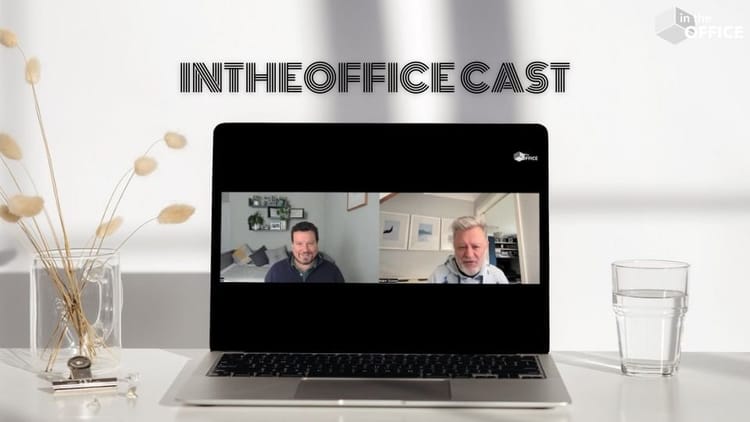
Flexible and Remote Working Is Not Fair, Right?
Adam and Jon dig into the growing trend of CEOs using the word "fair" to justify return-to-office mandates. Sparked by L'Oréal CEO Nicholas Hieronimus's comments at the World Economic Forum in Davos, he suggested remote working isn't fair to blue-collar workers. The conversation picks apart whether "fairness" is a genuine concern or simply a psychological tool being used to push people back to their desks.
They explore the hypocrisy of high-profile figures like Elon Musk (CEO of five companies simultaneously), Jamie Dimon, and Jacob Rees-Mogg all championing in-office working, whilst operating in inherently hybrid ways. That jobs are fundamentally different, personal circumstances vary enormously, and a one-size-fits-all policy will always cause disadvantages to some.
The episode wraps with a call for leaders to focus less on fairness as a concept and more on understanding what each individual role and person actually needs to perform at their best. Especially in an age where hybrid and remote working are perfectly possible and adequate to achieving goals at work whilst supporting the individuals situational circumstances.
Originally posted: https://www.intheoffice.io/vlog-episode-5
Listen
Watch
Show Notes
What we Cover:
- L'Oréal CEO Nicholas Hieronimus's comments at Davos (World Economic Forum, January 2025) claim that 'remote working is unfair to blue-collar workers'
- Why "fair" is being used as a lever rather than a genuine argument
- The hypocrisy of high-profile RTO advocates, Elon Musk, Jamie Dimon, Jacob Rees-Mogg
- Whether there's a darker motive behind some of these public statements
Key points:
- "Fair" implies everyone should do the same thing, but no two people have the same job.
- 80% of bosses now say they regret their initial return-to-office decisions
- Mandated RTO policies disproportionately affect working mums or primary caregivers
- Younger employees tend to benefit more from office time, whilst they're in a learning phase
- Some people thrive at home; others genuinely need the office, neither should be penalised
- The word "fair" triggers an emotional response and shuts down rational conversation (ref: Chris Voss, Never Split the Difference)
- Research suggests up to 50% of staff would consider leaving if a blanket return-to-office policy was enforced
What actually works:
- Treating people as individuals, by role and personal circumstance
- Using KPIs, technology, and regular communication to measure outcomes, not presence
- Building trust so employees can make the right call for productivity themselves
- Using your own data to make decisions, not benchmarking against other companies
Subscribe to Workplace Economies
Subscribe to be the first to know about new episodes and articles.
No spam. Unsubscribe anytime.
We collect your data in line with our privacy policy.